


When Intimacy Starts Feeling Like an Obligation
Many women struggle with feeling like intimacy is something they should do rather than something they genuinely want. This blog explores where that sense of obligation comes from, how trauma and relationship dynamics can influence it, and how therapy can help you reconnect with your own needs, boundaries, and voice.

What Do I Do If I’m Not Ready to Delete Photos From My Toxic Relationship?
Not ready to delete photos from a past toxic relationship? Healing after emotional abuse isn’t one-size-fits-all, and there are many valid reasons why letting go of photos can feel complicated. Learn why this decision can be so difficult, practical alternatives to deleting them immediately, and how therapy can help you navigate your healing on your own timeline.

Rediscovering Your Identity After Emotional Abuse
After emotional abuse or a toxic relationship, you might feel disconnected from yourself or unsure who you are anymore. This post explores why that happens and how you can begin rebuilding your identity, preferences, and sense of self in a way that feels grounded and real.

Feeling Confident Again After a Toxic Relationship
Gaslighting and manipulation can leave you questioning your thoughts, emotions, and decisions long after a relationship ends. This post explores why confidence often takes a hit after emotional abuse and how you can begin rebuilding trust in yourself again.

Building Joy After Abuse: Learning That Healing Is More Than Just Surviving
After a toxic relationship or emotional abuse, most people focus on just getting through the day. Joy can feel far away or even unfamiliar. This post explores why that happens and how rebuilding joy is part of healing, not something you have to earn later.

Why Being Present Can Feel So Hard After Trauma
Why is it so hard to stay present, even after the relationship is over? If you've experienced emotional abuse, sexual trauma, or a toxic relationship, your mind may still be preparing for danger instead of enjoying what's happening right now. Learn why this happens and how trauma therapy can help you reconnect with the present moment.
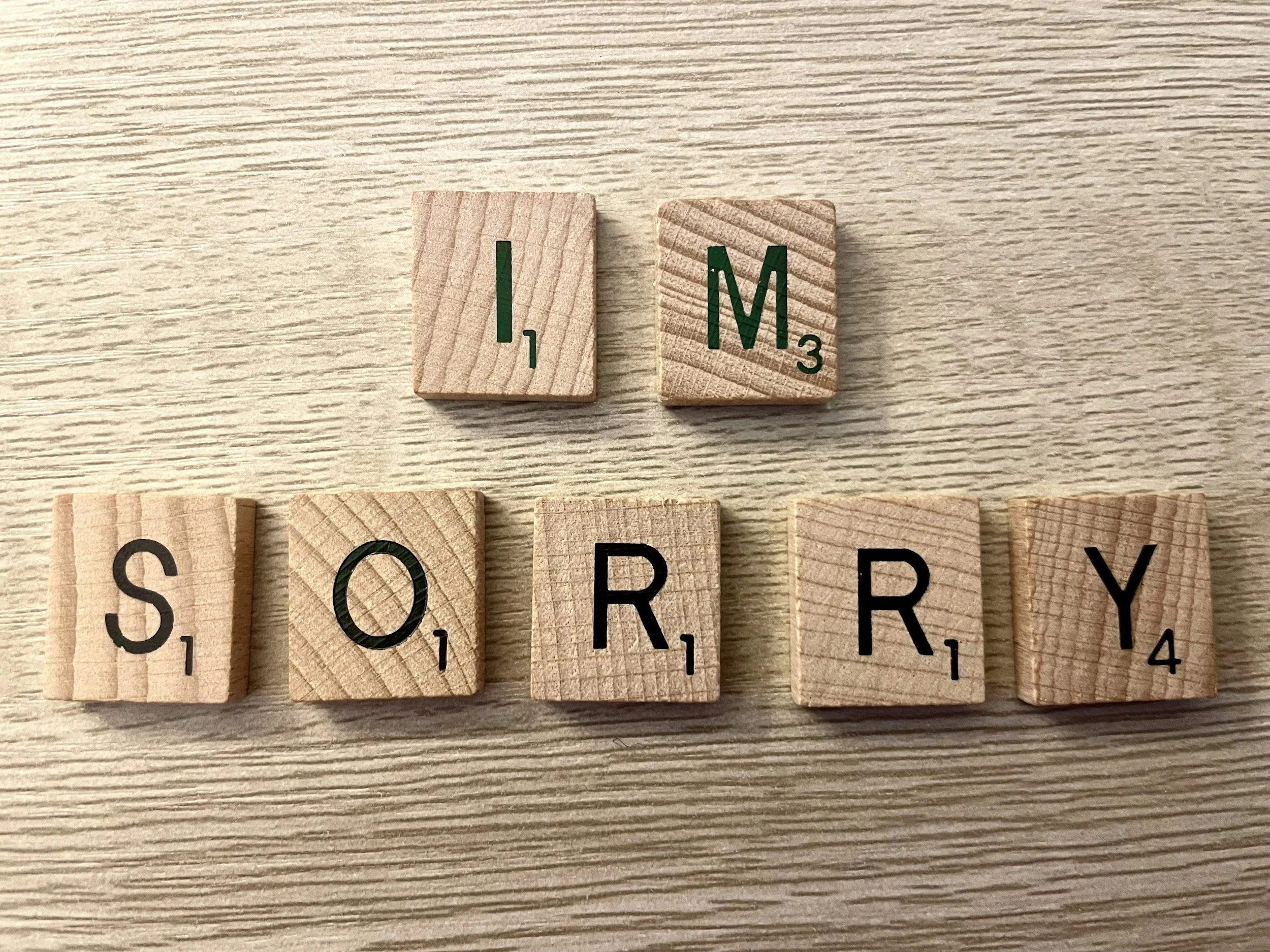
Why Do I Still Feel Bad After They Apologized?
Have you ever received an apology but still felt hurt, angry, confused, or unsettled afterward?
Many people assume that if someone says “I’m sorry,” the issue should be resolved. But not all apologies create healing.
You may have heard apologies like:
• “I’m sorry you feel that way.”
• “I already said sorry. What else do you want?”
• “I was just joking. You’re too sensitive.”
• “You know I have anger issues.”
• “I guess I’m just the worst person ever then.”

Why did he abuse me?
“Why did he abuse me?” is one of the most painful questions survivors ask after an abusive relationship. In this blog, we explore why the answer often does not bring the closure people hope for, why abuse is never justified, and how healing begins when the focus shifts away from understanding the abuser and back toward yourself.

“I don’t want to retell my story. I hate talking about what happened to me.”
It can feel risky telling a stranger your deepest pain. Not wanting to talk, think, or feel about what happened is a symptom of PTSD. But ignoring the pain or how what happened to you won’t make it go away. Do you know what’s scarier than therapy?

Will I Survive? Navigating PTSD After Being Sexual Assaulted
Surviving a sexual assault goes beyond the night the traumatic event happened. Many sexual assault survivors struggle with the long-term aftermath of that experience, such as Post Traumatic Stress Disorder (PTSD). We often hear this diagnosis for men who go to war, but it is also a common diagnosis for people who have experienced sexual trauma.

Empowerment Playlist for Sexual Assault Survivors: Trauma Therapist Recommended
Many survivors of sexual assault may find music difficult to listen to in the aftermath of trauma. Certain lyrics can be triggering, often bringing up memories tied to their experience. When survivors connect with songs that validate their pain, music can actually be very healing. This playlist was carefully curated with that in mind. Whether you're looking for empowerment or simply something to help you feel less alone, these songs offer something deeply meaningful for survivors of sexual trauma.

Helping Yourself Heal from Sexual Abuse
Healing from something like this will take time, so it’s important to be patient with your self through this process. Healing is also not linear so you may feel like you are on the top of the world one day and the next in the dumps really upset about what happened. Here are some steps for you to consider taking to heal

Stop Hating Yourself for Something that Happened to You
First, what happened to you was not your fault. You cannot control other people. You could not control if someone decides to assault you. Hence, you are not to take responsibility or blame your self for the abuse. Many survivors get trapped in guilt ridden thoughts of “What could I have done to prevent this?” “What if I would have fought back or screamed?” “I should have seen the warning signs and not have been there.”

5 Ways to get Through a Break Up: Therapist Approved
The most difficult thing about a break up can be that you are grieving a person that is still alive. Note that these tips are for someone who is very ready to move from their ex. If you aren’t ready to let go, these steps can still help. You may notice some resistance to doing these steps because these things are difficult to do. We want to connect to your long-term goals, so let’s heal from your past together.

Dealing with Toxic Families During the Holidays
Not all families are rainbows and butterflies. Many families try to sweep abuse under the rug when a victim comes forward about abuse occurring. Whether abuse has occurred inside the family or outside of the family, often times the victim is blamed. If you are a survivor of abuse, you deserve to be in a space where you feel supported.

How You Can Learn to Stand Up For Yourself
Learning how to stand up for yourself and set boundaries can be difficult. Understand why it is difficult for you to stand up for yourself. Set boundaries with others by using your voice is important. In trauma therapy you can explore the root cause of not being able to use your voice.

What If I Can’t Feel My Emotions?
Many people who have experienced trauma may feel “numb” to their emotions. After a traumatic event, our brains some times turn off our ability to feel emotions to protect us from the pain the trauma caused.

5 Signs You are Grieving Your Trauma
When something bad happens to you whether that is a sexual assault, an abusive relationship, or separating from toxic family members, you will probably grieve what happened. Grieving is a totally normal experience even if what you experienced was traumatic. These signs stem from Kubler Ross’s 5 stages of grief. Here is how these stages are applicable to trauma
Newsletter
During the first week of each month I send out a free newsletter containing:
Ways to heal from trauma
Updates about my private practice
Community resources
Upcoming events, workshops, and presentations
Free trauma recovery downloads
This newsletter is to help survivors stay connected with the community and offer hope in healing. I promise not to spam your inbox.