
Family Therapy in Fort Myers, Florida
Past experiences can shape how families communicate, respond to conflict, and connect with one another. Family therapy can help you understand those patterns, work through challenges, and build healthier relationships. At Healing Loudly we see families in person in Fort Myers, Florida or virtually across the state of Florida. Book a free consultation with us today

Maybe conflict has always been handled the same way in your family. Lots of families struggle with a history of emotions being ignored, boundaries not being respected, or certain topics never being discussed. For a long time, issues can feel like they were swept under the rug and never really dealt with. When these patterns are passed from one generation to the next, they can affect relationships long after the original experiences are over. Therapy can help you recognize these patterns and decide what changes you want to make to build healthier relationships with your family.
Changing the Patterns You Grew Up With
Common Reasons Families Seek Therapy
Feeling Disconnected
"I want my family to feel close again." Your family may look close from the outside while feeling very different behind closed doors. You find yourselves spending time together without really talking, avoiding difficult conversations, or feeling like you don't know how to connect with each other anymore.
Navigating Divorce
Divorce can create new challenges that nobody quite knows how to navigate. How do you tell your kids? What does co-parenting look like? What do you do when your kids ask you to get back together?
Boundaries
It can be difficult to know how to set boundaries with family, especially when certain expectations and roles have been in place for years. Therapy can help you communicate your needs while working toward healthier and more respectful relationships.
Constant Conflict
"We keep having the same arguments over and over." It can feel like your family is always arguing about something, whether it’s the same issue coming up again and again or small disagreements turning into bigger fights.
Unresolved Family Issues
Some families have years of hurt, resentment, or difficult experiences that were never really addressed. Certain topics may have been avoided or swept under the rug, leaving tension that continues to affect relationships today.
Not Feeling Heard
You may feel like your family members don't really listen to what you're saying or understand where you're coming from. Important conversations can leave you feeling dismissed, misunderstood, or like there's no point in trying to explain yourself.
Book a Free Consultation

Healthy Communication
Learning how to express what you need, listen without immediately becoming defensive, and have difficult conversations without getting pulled into the same cycle.
What Healing Actually Feels Like
Breaking Generational Patterns
Healing can mean recognizing the patterns that have been passed down through your family and making intentional choices about creating new ways of communicating, handling conflict, and showing up for one another.
Creating Connection
Creating opportunities to rebuild trust, emotional closeness, and connection when family members have begun to feel distant or misunderstood.
Rebuilding Trust
Working through major family changes, difficult experiences, broken trust, divorce, remarriage, or the transition into a blended family and beginning to create a new sense of reality and stability.
Conflict Management
Understanding the patterns that keep your family stuck in the same arguments and learning new ways to respond when emotions run high.
Respecting Boundaries
Healthy boundaries allow family members to have their own needs, opinions, and limits while still having meaningful relationships. You can learn to say no, communicate your needs, and respect each other's boundaries without guilt or resentment.
Should We Start Family Therapy?
Family therapy can be helpful at many different stages, whether your family is navigating everyday challenges, major transitions, changing family roles, or significant conflict. Walking into family therapy for the first time can feel like a big step. It might even be the first time anyone in your family has ever seen a therapist. You may be dealing with ongoing conflict, communication problems, boundary issues, or family patterns that have been passed down for generations. Some times people may wonder what you are supposed to talk about or feel overwhelmed with the list of issues that have piled up over the years.
Therapy can look different for every family and we can be flexible with whatever you need. You may need someone to help keep conversations structured and follow a plan. Others need space to talk about issues that have been avoided for years and have a conversation without it turning into an argument. Sometimes the focus is on a specific conflict, while other times we're looking at the larger patterns that shape how your family communicates and relates to one another.
Before we can work through the difficult things happening within your family, we need to create a foundation where everyone has space to feel heard and understood. After learning about your experiences and what you want to work through, we give you tools to create meaningful changes. Together, we can practice new ways of communicating, interrupt familiar cycles, build connection, work through difficult emotions, and develop healthier patterns that can continue outside of the therapy room.

Types of Therapy We Offer

Couples Therapy
We offer couples therapy for people who are in committed relationships or married and want to better their relationship. Services can be in-person in Fort Myers, Florida or virtually for any couple who located in Florida. Book a free consultation with us today to get started.

Pre-Marital Counseling
Starting your marriage with intentional conversations about communication, conflict, expectations, finances, family, intimacy, and the life you want to build together.

Discernment Counseling
Sometimes the question isn't "How do we fix our relationship?" it's "Do we want to stay in this relationship?" Discernment counseling is for couples who feel uncertain about whether to continue the relationship, separate, or pursue couples therapy.
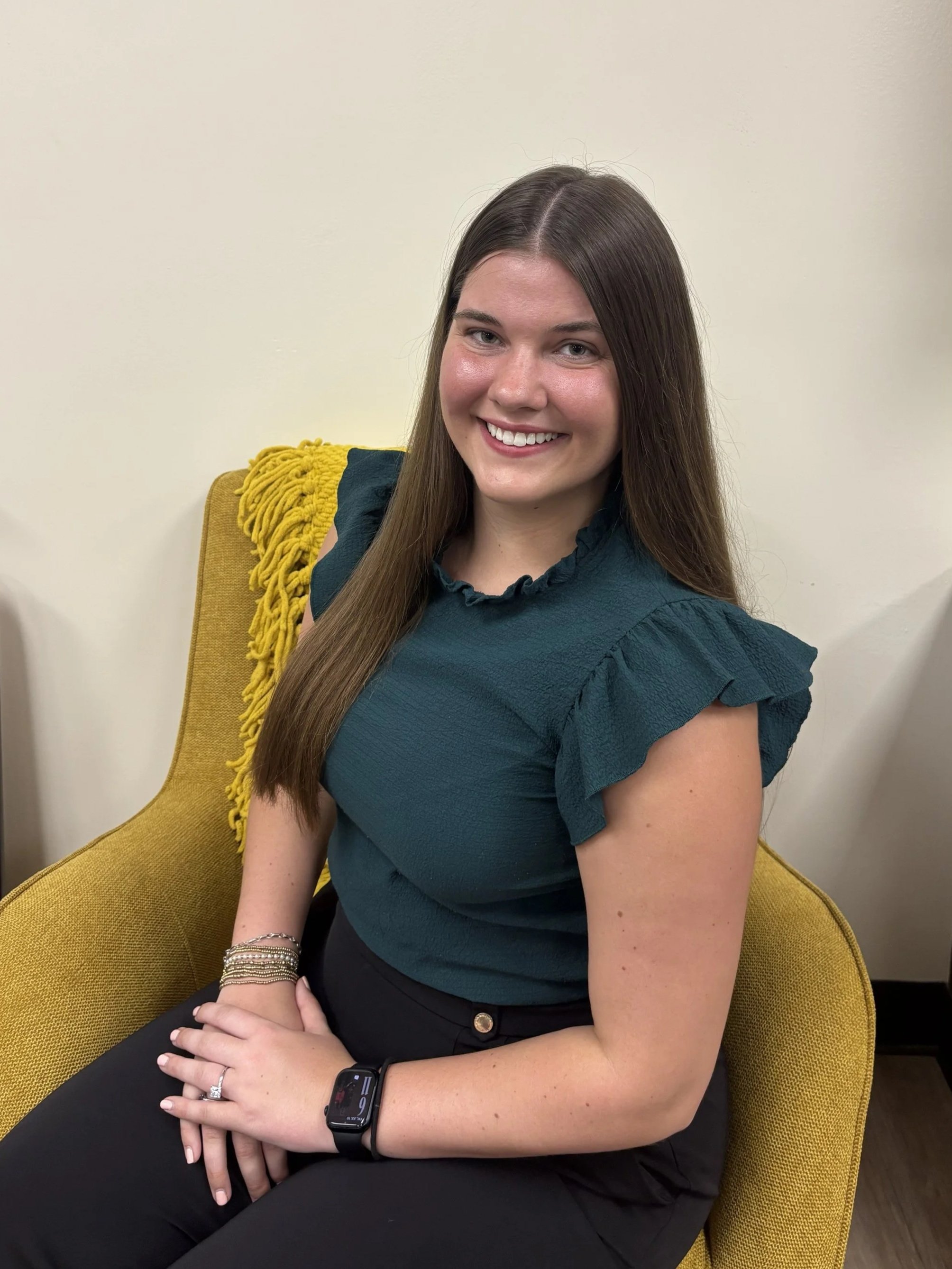
About Our Family Therapist
Madison Humphrey has her Master’s Degree from an accredited Marriage and Family Therapy Program in Texas. She is a Registered Marriage and Family Therapist Intern. Madison approaches family issues with curiosity to find the root cause of issues and uses three primary approaches in therapy. Through her program she has received advanced training in family therapy and is a Level One Trained Gottman Therapist
We incorporate tools from the Gottman Method into our work with families, adapting concepts such as "I statements" to help family members communicate their feelings, needs, and experiences without immediately placing blame on one another.
Gottman Method
Emotionally Focused Therapy is used to help family members better understand the emotions and attachment needs underneath their interactions. Sometimes anger, withdrawal, defensiveness, or frustration can make it difficult to see what someone is actually trying to communicate. Together, we can create opportunities for family members to better understand and respond to one another.
Emotion Focused Therapy (EFT)
Through Structural Family Therapy, we look at the organization and hierarchy within your family. Families naturally develop roles and patterns, but sometimes those structures need to change as children grow, families transition, or circumstances change. Together, we can explore family boundaries, roles, and relationships and work toward a structure that better supports the needs of your family.
Structural Family Therapy
Frequently Asked Questions
-
No. Couples therapy can be helpful for dating couples, engaged couples, married couples, and long-term partners. You don't have to be married, or even know if marriage is where your relationship is headed, to seek support.
-
You can get started by booking a free consultation on our website, sending us an email, or giving us a call.
-
You can reach us anytime via email (sarra@healingloudly.com) or by giving us a call (239-688-5478). We aim to respond quickly, typically within two business days.
-
If you want to use your in network insurance plan. Some of our therapists are accepting Aetna plans.
You can use your out of network benefits if we do not accept your insurance. We would provide you a superbill that you would give to your insurance company for reimbursement for therapy.
You can also choose the private pay option. Depending on the the therapist, our private pay rates range from $100 to $200 per 50 minute sessions. The rate depends on the level of expertise of the therapist.
-
The first session is an opportunity for us to get to know you, understand what brought you to therapy, and begin learning about the relationship patterns you are experiencing. You don't need to prepare the perfect explanation or have all the answers. We will start where you are.
-
Ideally, both partners are willing to participate, but it is common for one person to feel more ready than the other. We can talk about your concerns and what you're hoping to get from therapy and work from there.
-
Conflict isn't automatically a sign that therapy isn't working. Relationships naturally involve disagreement. Therapy provides an opportunity to slow those moments down, understand the underlying pattern, and practice responding differently.
-
That's okay. If you're unsure whether you want to continue the relationship, discernment counseling may be a better place to begin. The goal isn't to push you toward staying or leaving, but to create space for greater clarity about your relationship and your options.
-
Couples can seek therapy after an affair or other significant breach of trust. We can work toward understanding the impact of the rupture, creating space for difficult conversations, and exploring what rebuilding trust might look like.
-
There isn't one timeline that works for every couple. The length of therapy depends on your goals, the challenges you're navigating, and what you and your therapist determine is most helpful.
-
You don't have to arrive with identical goals. Part of the work can be understanding what each person wants, needs, and hopes will change. We can use that information to identify areas of overlap and clarify what you want to work toward together.